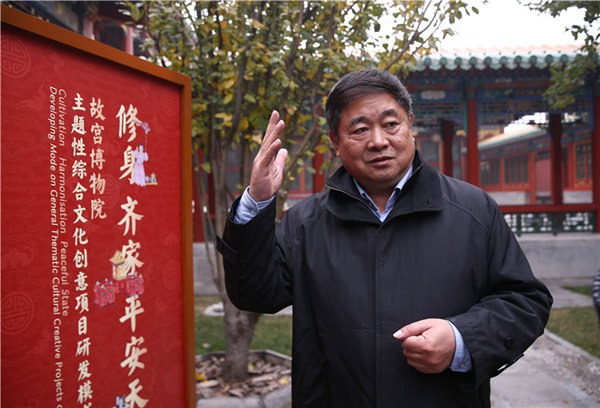
Shan Jixiang
Introduction
Shan Jixiang, a prominent figure in the field of cultural heritage preservation and museum management, is widely recognized for his transformative leadership as the director and curator of the Palace Museum in Beijing, also known as the Forbidden City. Born in 1954, Shan has dedicated his career to the promotion and revitalization of Chinese cultural heritage, spearheading numerous initiatives that have significantly enhanced public engagement with the nation's historical assets. His tenure at the Palace Museum has been marked by innovative changes that have made the museum more accessible and engaging to a broader audience. Shan's efforts in cultural promotion have earned him both national and international acclaim, solidifying his legacy as a guardian of China's rich heritage.
Early Life and Education
Shan Jixiang was born in 1954 and pursued an academic path that would lay the foundation for his future contributions to the field of cultural preservation. He majored in urban planning at Tsinghua University, one of China's most prestigious educational institutions. This academic background equipped Shan with the skills and knowledge necessary to navigate the complexities of managing and preserving cultural heritage sites. Shan's early education played a crucial role in shaping his approach to cultural heritage management, blending architectural expertise with a deep appreciation for historical preservation.
Career
Shan Jixiang's career is distinguished by his leadership in several high-profile positions and his numerous achievements in cultural heritage management.
Positions Held
Before his renowned tenure at the Palace Museum, Shan Jixiang served as the director of the State Cultural Heritage Administration, where he was responsible for overseeing the preservation and management of China's vast array of cultural relics and heritage sites. This role further solidified his reputation as a dedicated advocate for cultural preservation. In 2012, Shan took on the role of director and curator of the Palace Museum, a position he held until his retirement in 2019. His leadership during this period was instrumental in transforming the museum into a dynamic and accessible cultural institution.
Achievements
Under Shan's direction, the Palace Museum underwent significant changes that greatly increased public access and engagement. By the end of 2018, the museum had opened over 80 percent of its areas to public visitors, a dramatic increase from the mere 30 percent accessibility before his tenure. Shan's efforts also included increasing the proportion of exhibited "royal treasures" from 1 percent to 8 percent, enhancing the museum's appeal and educational value. His initiatives contributed to making the museum one of the most visited in the world, with over 17.5 million visitors recorded in 2018, showcasing his success in promoting cultural appreciation.
Contributions to Cultural Promotion
Shan Jixiang's contributions to cultural promotion extend beyond his administrative roles, reflecting his deep commitment to revitalizing Chinese heritage and fostering public engagement.
Initiatives and Projects
One of Shan's most notable initiatives was the development of a wide range of cultural and creative products, which significantly boosted the museum's profile and financial sustainability. In 2017, the sales of these products reached an impressive 1.5 billion yuan ($223 million). Shan also pioneered innovative events such as the Lantern Festival light show, which drew significant public attention and brought the Palace Museum back to the forefront of cultural discussions. His efforts in digital engagement, including collaborations with major companies to develop digital apps and video games, further exemplified his forward-thinking approach to cultural promotion.
Impact and Influence
Shan Jixiang's impact on cultural promotion has left a lasting legacy that continues to influence the field. His ability to blend traditional heritage with modern engagement strategies has made cultural relics more accessible and relevant to contemporary audiences. Shan's leadership has not only enhanced the visibility of the Palace Museum but also inspired a new generation to appreciate and cherish Chinese cultural heritage. His work has set a benchmark for museum management and cultural promotion, ensuring that cultural relics remain a living part of society rather than static historical artifacts.
Publications
Throughout his career, Shan Jixiang has contributed to the academic and cultural discourse through various publications. His writings reflect his expertise in urban planning, cultural heritage preservation, and museum management. These publications serve as valuable resources for professionals and scholars in the field, offering insights into best practices and innovative approaches to cultural heritage management. Shan's publications continue to influence the academic community and contribute to the ongoing dialogue about the importance of preserving and promoting cultural heritage.
Awards and Honors
Shan Jixiang's contributions to cultural heritage preservation and promotion have been recognized through numerous awards and honors. These accolades reflect his leadership and dedication to safeguarding China's rich cultural legacy. Shan's work has earned him both national and international recognition, further cementing his status as a leading figure in the field. His awards and honors serve as a testament to the impact of his efforts and the lasting legacy he has created for future generations.








